
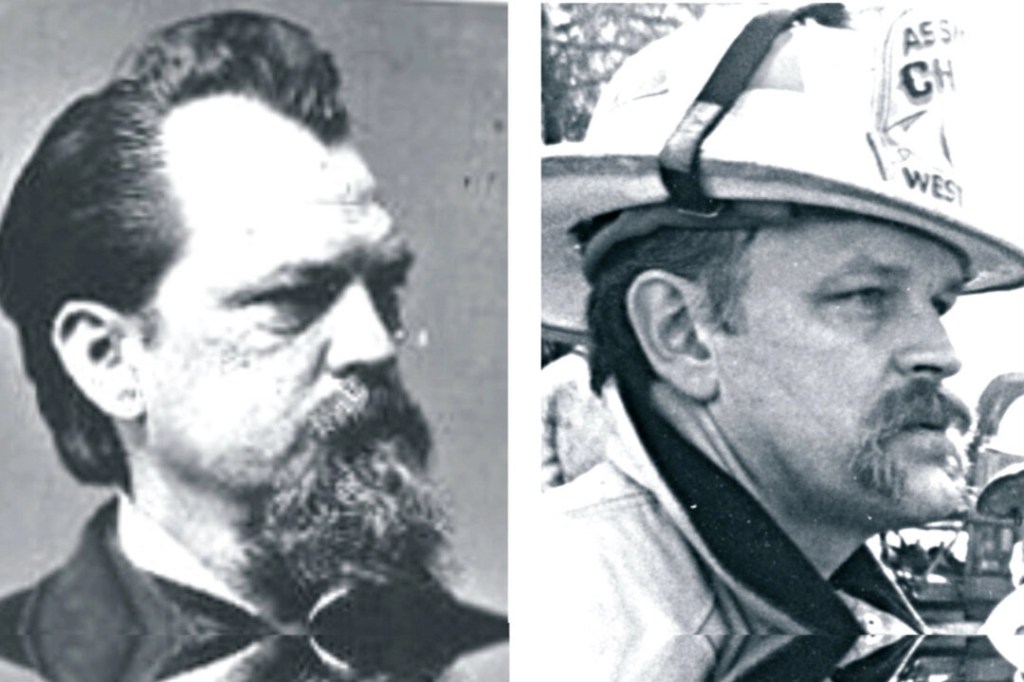
(Featured Image: Civil War General John B. Gordon (L) and Jeff Keene (R).
Have you ever looked at an old portrait or historical photograph and felt something uncanny — like you were staring into a mirror from another century? That moment of recognition, though fleeting, lies at the heart of one of the most visually compelling clues in reincarnation research: facial architecture.
Dr. Walter Semkiw’s studies often began with an image. He noticed that certain individuals — sometimes separated by hundreds of years — shared near-identical bone structures, expressions, and even micro-asymmetries of the face. When these visual parallels aligned with patterns of behavior, talents, or life circumstances, a hypothesis emerged: the soul might carry not just memory, but template.

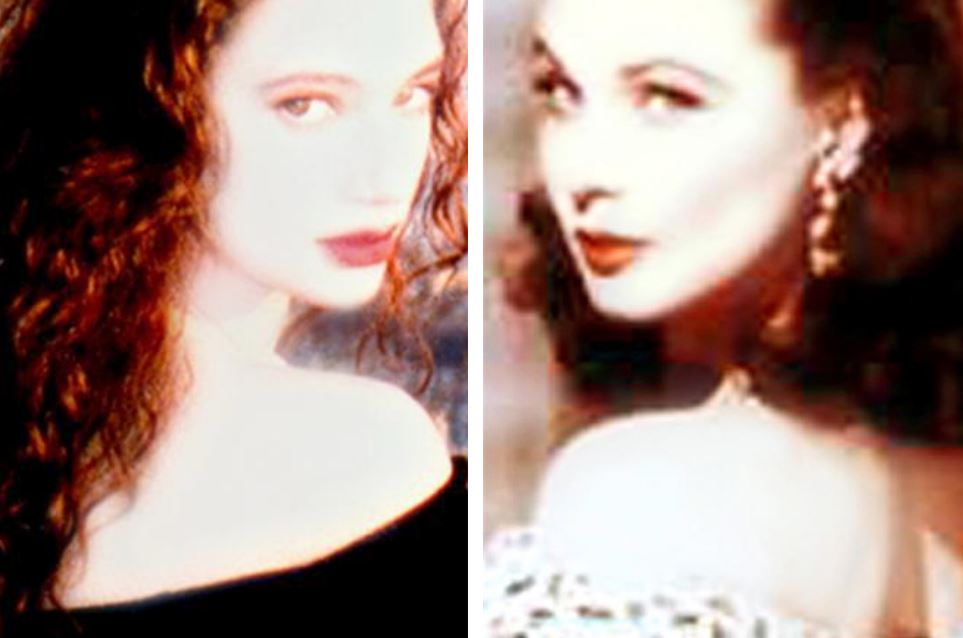
Consider one of Walter’s most famous examples: actress Halle Berry and her proposed past-life counterpart, Dorothy Dandridge, a barrier-breaking performer from Hollywood’s Golden Age. The similarities go far beyond looks. Dandridge fought systemic racism and died before receiving the recognition she deserved. Decades later, Berry — born with near-identical facial geometry — became the first Black woman to win an Academy Award for Best Actress, dedicating her win to Dandridge’s memory. It’s a karmic arc of resolution — history correcting itself through lineage of the soul.
Another classic case is that of Anne Frank, the young diarist of the Holocaust, and Barbro Karlen, a Swedish woman born nine years after Anne’s death.
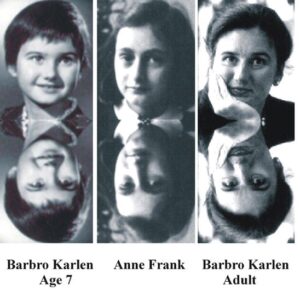
As a child, Barbro spoke of living in Amsterdam and hiding from soldiers; she recognized the Anne Frank House on her first visit, long before knowing its significance. Yet beyond the memories lies the visual continuity — the same facial proportions, gaze, and expression, as if the same consciousness reappeared in a new cultural frame.
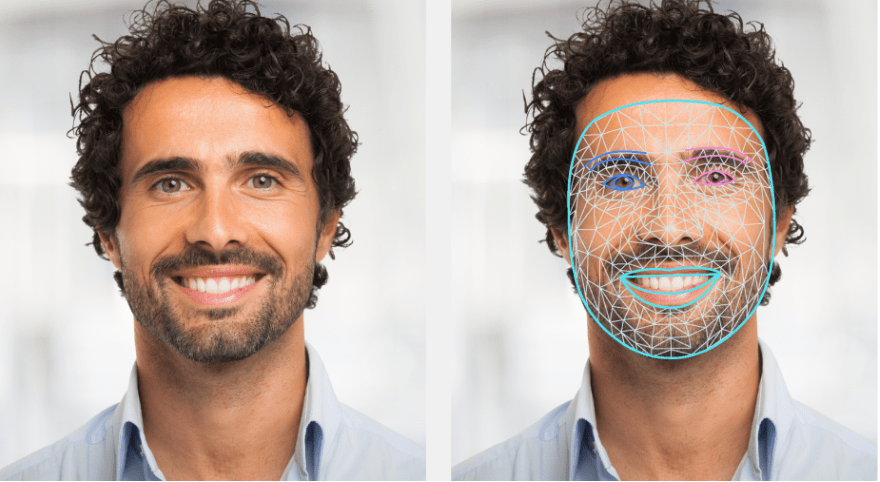
At Reignite Reincarnation, we are bringing technology to this phenomenon. Using AI facial recognition tools, like those available in the Google AI Studio, we can objectively analyze similarities that once relied on human observation. The goal isn’t to replace intuition with math, but to see where measurable data intersects with spiritual insight.
What’s most remarkable is how these matches make people feel. When you see your own face echoed in another time, you realize that identity might be deeper than the surface — a throughline of experience that carries lessons, loves, and unfinished work. Perhaps the reason these resemblances strike us so deeply is because they remind us that we’ve always been here — just wearing different faces.
Scan the QR code below to share this article on another device:


 REIGNITE
Leave a comment