

A synthesis of the film’s strongest cases with patterns from ReincarnationForum, University of Virginia (UVA) Division of Perceptual Studies (DOPS) research, and Walter Semkiw’s archive—plus pragmatic guidance for parents.
This feature builds on Dr. Walter Semkiw’s archived presentation of the Real Stories “Children’s Past Lives” cases at ReincarnationResearch.com. We have carefully retained Walter’s foundational narrative and relevant research (e.g., Dr. Ian Stevenson, Dr. Jim Tucker) while expanding the piece with contemporary context, ReincarnationForum.com insights, and ethical framing for 2025.
What the documentary covers (and why it still matters)
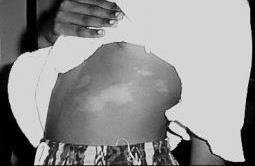
The 90-minute Real Stories documentary assembles hallmark features of children’s past-life reports: early onset (ages 2–4), matter-of-fact delivery, recurrent statements, and frequent mention of traumatic or sudden deaths. It follows Dr. Jim Tucker as he interviews a U.S. child (“Harley”) who described an “other mama” named Stacy and a teenage death in a car crash, and it profiles Purnima Ekanayake in Sri Lanka—who from age three recalled life as Jinadasa, an incense seller killed in a road accident, with striking birthmarks on the left chest corresponding to the reported fatal injuries.

The film also revisits the adult case of Jenny Cockell, whose lifelong memories of Mary Sutton (Ireland) culminated in successful, sensitive reunions with Mary’s now-adult children. These cases echo decades of UVA DOPS fieldwork: brief, specific child statements; behaviors (phobias, play themes); and sometimes birthmarks corresponding to wounds of the claimed previous identity.
How our forum research lines up
On ReincarnationForum.com, multi-year community threads repeatedly surface the same pattern triad seen in the film and in UVA publications:
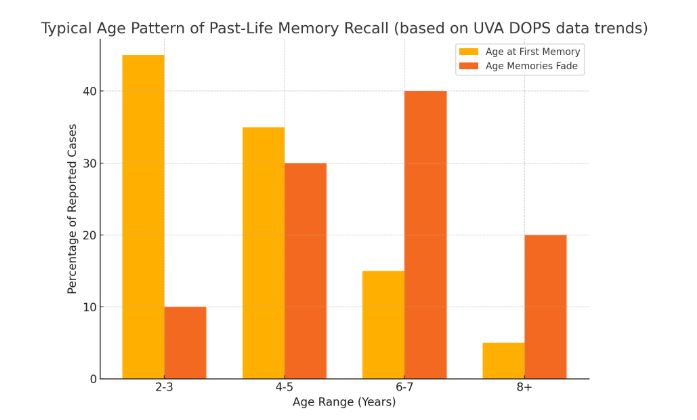
- Early spontaneous recall (no hypnosis; peaks ages 3–5, fades by school age).
- Verifiable specifics (names, locations, niche details—like incense brand names).
- Psycho-behavioral echoes (phobias consistent with reported death; strong pull toward prior family).
Recent forum discussions of Cockell emphasize process: how careful outreach and documentation matter more than making metaphysical claims. Members highlight practical steps—journaling exact child phrases, avoiding leading questions, and prioritizing wellbeing if contact with a prior family is contemplated.
What’s new or clarifying since first release
- Methodology consolidation. UVA summaries now provide concise checklists for parents and clinicians (what to record, how to phrase questions, when to seek support). They reiterate that the strongest cases are spontaneous, start young, and sometimes include birthmarks or medical records alignment.
- Sri Lanka case depth. Scholarly write-ups since the broadcast detail Haraldsson’s scoring of Purnima’s statements (accurate/incorrect/undetermined) and the medical correlation to chest trauma—useful for separating compelling data from cultural confirmation.
- Semkiw archive bridge. Walter’s case page on Purnima/Jinadasa organizes the evidence under accessible themes (birthmarks, gender change), helpful for general readers and for planning visuals (e.g., injury location diagrams).
Where skepticism is useful (and healthy)
The documentary fairly includes a psychologist demonstrating how chance matching can mimic reincarnation “hits” when investigators hunt for fits across many obituaries. This is an important caution that aligns with our forum’s moderation ethos: documentation first, claims later. For us, best practice is to (a) record verbatim statements with dates; (b) time-stamp any adult research that follows; and (c) clearly separate child-led data from adult-led inference. UVA’s own publications stress this separation.
Pattern signals (from film + forum)
- SubjectAge: mostly Child (4–7); some adults with retained memory (Cockell).
- RecallMethod: predominantly Spontaneous, not regression.
- EvidenceTypes: Verified Statements, Birthmarks/Defects, Behavioral Echoes (phobia/talent), occasional Documentation Found.
- RelationshipContext: mix of Stranger (Harley, Purnima) and Acquainted/Same-Family variants discussed on forum.
- Interval: typically Short to Medium (under ~20 years), as in UVA datasets.
Limits & verification status
- Harley: Partially Verified/Unresolved. The film shows active search but no closed identification; single-witness risk (mother) remains.
- Purnima: Partially Verified to Strong. Multiple correct statements + birthmark correlation + post-mortem detail alignment reported by researchers.
- Cockell: Adult, self-directed inquiry with substantial social verification by claimed prior family; also subject to memory-research criticisms—worth reading both sides.
Advice for parents (pragmatic, research-informed)
- Stay neutral and supportive. Ask open prompts (“What do you remember?”) and avoid leading language (“Was your other mommy named…?”). Record exact phrases with dates. UVA’s overview is a solid guide.
- Track behaviors & triggers. Note phobias (water, fire, vehicles), play themes, drawings, and any birthmarks/medical anomalies; photograph once (no repeated focus that might distress the child).
- Contain the circle. Share minimally beyond caregivers; protect privacy and schooling; do not post child PII online.
- If pursuing verification, stage it. Try document-first checks (maps, directories) before contacting any family. If contact proceeds, use a trauma-informed plan (neutral setting, opt-out at any moment, no media).
- Consider consultation. A clinician familiar with grief, anxiety, and child development (and neutral about metaphysics) can help manage nightmares or phobias—regardless of the case’s ultimate interpretation.
- Peer support. Our forum hosts parents who’ve navigated this terrain—learn process, not dogma.
The documentary’s quiet strength is its child-first lens. Our community work suggests the same: when adults slow down, document carefully, and prioritize wellbeing, families get clarity—whatever the explanation turns out to be.
References
[1] YouTube – Real Stories Documentary: “Can Children Remember Their Past Lives?” (film source). youtube.com
[2] UVA DOPS – Children Who Report Memories of Previous Lives (methods, features). UVA School of Medicine
[3] Stevenson/Tucker overview (REI35 PDF) (typical features; ages; spontaneity). UVA School of Medicine
[4] Psi Encyclopedia – Purnima Ekanayake (case summary; statement scoring; birthmark correlation). psi-encyclopedia.spr.ac.uk
[5] Psi Encyclopedia – Jenny Cockell / Mary Sutton (adult case; corroborations and critiques). psi-encyclopedia.spr.ac.uk
[6] Semkiw – Purnima/Jinadasa case page (archive framing: birthmarks, gender change). Reincarnation Research
[7] UVA Magazine – “The Science of Reincarnation” (context; U.S. cases). Virginia Magazine
[8] ReincarnationForum – Cockell thread (community process/ethics discussion). Reincarnation Forum
Your gift keeps the research rigorous, sustains the archive, and fuels the outreach that helps more families find answers.
Make a one-time donation
Make a monthly donation
Make a yearly donation
Choose an amount
Or enter a custom amount
Your contribution is appreciated.
Your contribution is appreciated.
Your contribution is appreciated.
DonateDonate monthlyDonate yearlyScan QR Code to Share Across Devices:


 REIGNITE
Leave a comment