When science meets spirituality, something extraordinary happens: we begin to measure the immeasurable.
The early pioneers of reincarnation research, like Dr. Ian Stevenson and Dr. Walter Semkiw, worked with painstaking manual methods — interviews, photos, and handwritten archives. Their findings remain foundational, but the world has changed. Today, artificial intelligence can scan millions of records, recognize facial patterns, and analyze linguistic or behavioral parallels in seconds. At Reignite Reincarnation, we’re using these tools not to mechanize spirituality, but to amplify it.
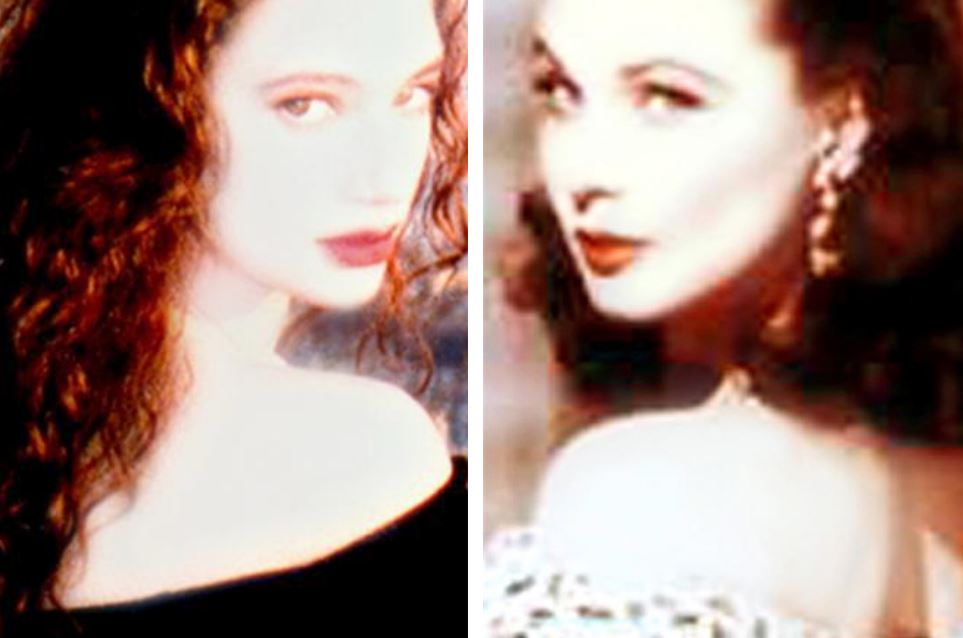
Our first experiment involves AI facial recognition — a system that quantifies the similarity between historical portraits and modern photographs. By applying this technology to Walter’s existing case library, we can statistically confirm what the human eye already suspects: that certain resemblances are too precise to be coincidence.
Next, we’re building machine learning models trained on verified reincarnation cases. By feeding these models thousands of data points — ages, regions, professions, time gaps between incarnations — we can identify repeating patterns. Early findings hint that artistic souls reincarnate faster than average, that karmic partners often return in alternating roles (teacher-student, parent-child), and that traumatic deaths correlate with faster rebirth. Each insight deepens our understanding of how consciousness behaves like an evolving dataset.
But no algorithm can replace the human element. That’s why our approach remains “AI powered, spirit guided.” We still rely on mediums like Kevin Ryerson, whose trance work with Ahtun Re helped validate many of Walter’s cases, and on intuitive researchers who sense the subtle connections that data alone can’t see. The technology helps map the pattern; the intuition explains why it matters.
In the future, we envision an interactive “Soul Network Map” where users can explore reincarnation relationships — seeing how historical figures, artists, and thinkers may have woven back into modern society. It’s not just an archive; it’s a visualization of humanity’s collective evolution.
The fusion of machine learning and metaphysical research represents more than a technical leap — it’s an act of reconciliation. It shows that spirituality and science were never at odds; they were simply speaking different dialects of the same truth. Consciousness is data — luminous, dynamic, and self-aware. And if we can learn to read it, we may finally understand not only who we were, but why we’re here.

 REIGNITE
Leave a comment